Gershwin’s tragedy was not that he failed to cross the tracks, but rather that he did, and once there in his new habitat, was deprived of the chance to plunge his roots firmly into the new soil. -Leonard Bernstein
In honor of our first Broadway show, I wanted to give a nod to its composer – the legendary George Gershwin. When spanning important 20th century American music – jazz, showtunes, and the rise of popular music delivered on film – the name Gershwin is ubiquitous.
The odds are, you know a few Gershwin songs without even knowing that you know them.
His story starts straight out of the opening of a musical itself, on the streets of turn-of-the-century lower Manhattan. Born to Russian Jewish immigrants in Brooklyn, George, along with brother Ira (later his lyricist) and other siblings, grew up around the Yiddish theatre in the East Village. His father was a factory man, and as he was hired and fired, Ira said the family lived in 28 apartments during their childhood.
By no means was George destined to be a composer.
In fact, famously, he first discovered the beauty of music as a 10-year-old attending a neighbor girl’s violin recital. When his parents bought a secondhand piano, it was due to Ira’s interest, not George. And it was their sister, Frances, who first supported their family with talent on the stage, singing for $40 a week and even appearing on Broadway. Yet Frances married and retired. And soon George would begin to wear out the family’s piano, not Ira.
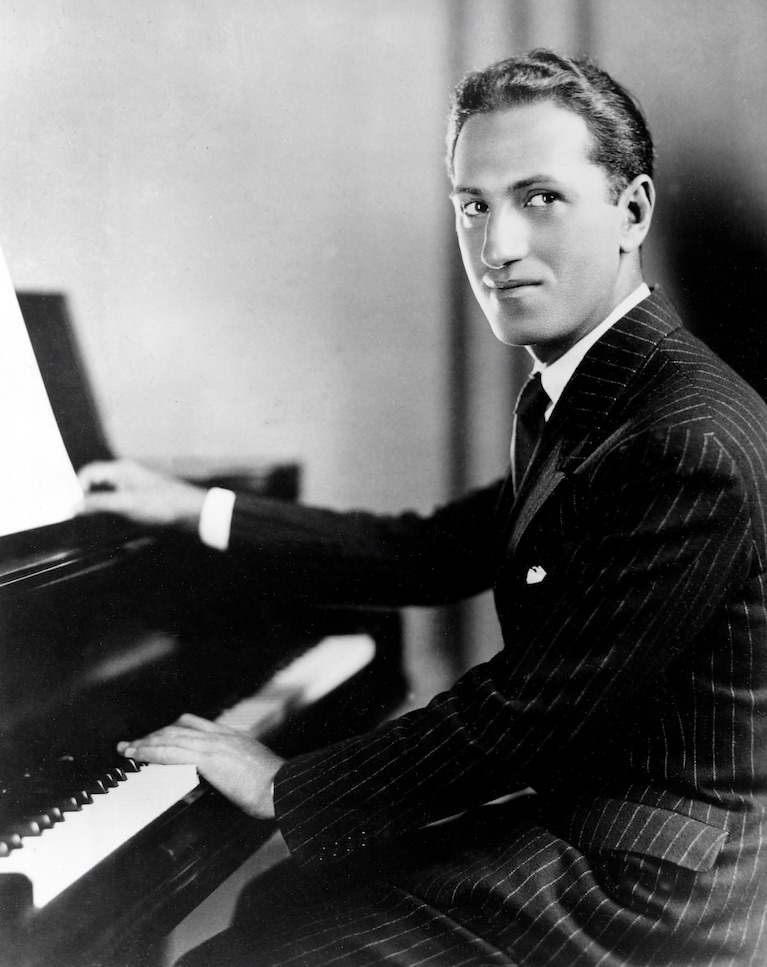
George Gershwin
A teen prodigy, he dropped out of school at 15 to focus on piano full time with his teacher noting, “I have a new pupil who will make his mark if anybody will. The boy is a genius.” As in any rags-to-riches tale, George worked hard, first as a “song plugger” in Tin Pan Alley playing new sheet music as a marketing gimmick for publishers, and later working as a rehearsal pianist on Broadway.
An accidental genius, when George started composing, he was prolific. Though his first composition earned him only 50 cents, George simply arranged, wrote, and recorded hundreds of songs in his late teens. What makes Gershwin different is that he had one foot in the classical world and one in the world of popular music, creating hybrids that have been described as “distinctly American.” But this American sound was propelled by others.
Writing “Swanee” around the time he turned 20, the hit propelled Gershwin to stardom and millions of copies sold, having been covered by everyone from Judy Garland to the Muppets. This also begins the Gershwin brothers’ complicated history with racially musical traditions, as “Swanee,” like many vaudeville numbers at the time, cannot be disassociated from the abhorrent practice of minstrelsy, and was in fact first popularized by blackface performer Al Jolson.
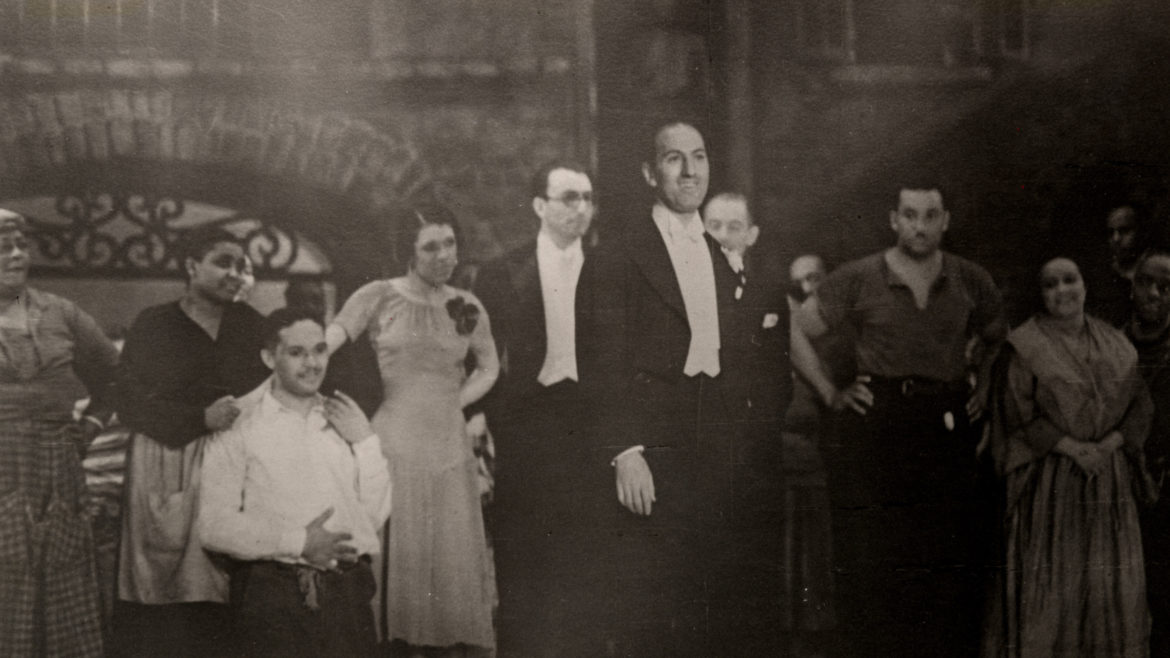
Much of the foundation of modern musical theatre comes from these shameful traditions. However, George was fascinated by African-American music and wanted the ability to tell genuine stories with black performers on stage. Porgy and Bess was the first opera (and Broadway performance) that featured a story and a cast of and about black Americans. George did travel down to Charleston, South Carolina to try to accurately capture the music of African-American spirituals in the work. And he was known to go visit all-black performances in New York, breaking segregated lines. But still, though George’s attitudes were sometimes daring in crossing the color barrier, the cultural appropriation that pervades his legacy and that of others of his time is difficult to grapple with in a modern context.
At the height of his career, George switched seamlessly between writing classical music, jazz, and truly defining the concept of “showtunes” on Broadway and in film. Yes, you’ve heard Gershwin music, even if you can’t identify it.
Consider the ubiquitous clarinet opening of the orchestral Rhapsody in Blue and the light Fred Astaire/Ginger Rogers film Shall We Dance:
Aren’t those tunes familiar?
George’s prolific output during his lifetime alone included at least five full orchestral pieces, two operas, 15 Broadway musicals, five films, and countless piano numbers and popular sheet music. All of this output was before George passed from a brain tumor early at the age of 38. And putting this rough count together does not counting the many, many hundreds of rearrangements of his pieces in musicals and films posthumously, which is most likely how you and I first heard Gershwin.
“Gershwin’s melodic gift was phenomenal. His songs contain the essence of New York in the 1920s and have deservedly become classics of their kind, part of the 20th-century folk-song tradition in the sense that they are popular music which has been spread by oral tradition (for many must have sung a Gershwin song without having any idea who wrote it).” -Michael Kennedy
And what about An American in Paris?
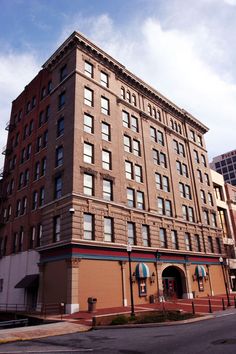
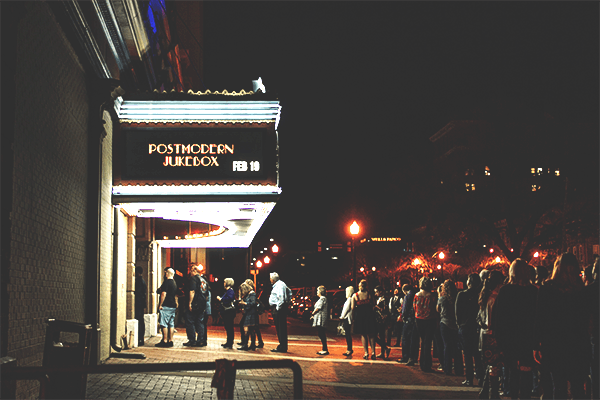
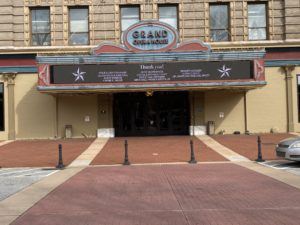
The legacy of this musical, playing March 17 and 18 at The Grand, is so unusual and twists through multiple decades and even centuries. It is often cited by contemporaries as one of the best movie musicals of all time, though it lacks the name recognition of films like Singin’ in the Rain and Chicago.
One hundred years ago, George was enamored by French Impressionist composer Maurice Ravel and booked a trip to Paris to learn from him. Amazingly, Ravel turned him down, saying, “Why be a second-rate Ravel when you can be a first-rate Gershwin?”
Yet during his time in Paris, George began tinkering with a small fragment inspired by the Parisian spirit that he called a “rhapsodic ballet.” This basis began An American in Paris, a jazzy orchestral piece completed in 1928, which has often been performed with ballet dance. George noted, “My purpose here is to portray the impressions of an American visitor in Paris as he strolls about the city, listens to the various street noises, and absorbs the French atmosphere.”
The composition itself, fascinatingly, splits between French styles while the character is “walking” the city and the native American Blues of the homesick visitor. In that way, it was made for drama.

Gene Kelly vamps it up in the film version
And the score sure found it. In the late 1940’s, a movie producer named Arthur Freed was fascinated by Gershwin music and pushed Ira to sell some of George’s catalog. His vision? Use the iconic American composer and the French-sounding score to cash in on the patriotic (yet internationally-curious) post-war spirit coasting through America.
The film was a success, with the star power of Gene Kelly at the helm in 1951. It was lush, risqué, and featured stunning sets and long musical numbers that were expensive to produce – the finale alone was filmed over four weeks. The fantastical, rhapsodic ballet atmosphere Gershwin attempted to produce decades earlier burst into Technicolor life under Vincente Minelli (father of pop culture icon Liza).
And after clinching Best Picture at the Academy Awards, the golden era of musical movies burst forth in rapid succession. Without An American in Paris, movie musicals would have been stuck in vaudeville stereotypes of sequins and plunking away at a piano. When one considers the conceptual boldness of something like The Sound of Music, for example, with its extravagant tracking shot of Julie Andrews in the Austrian mountains, know that would not have been possible without the filmmakers who paved the way for the success of the genre.
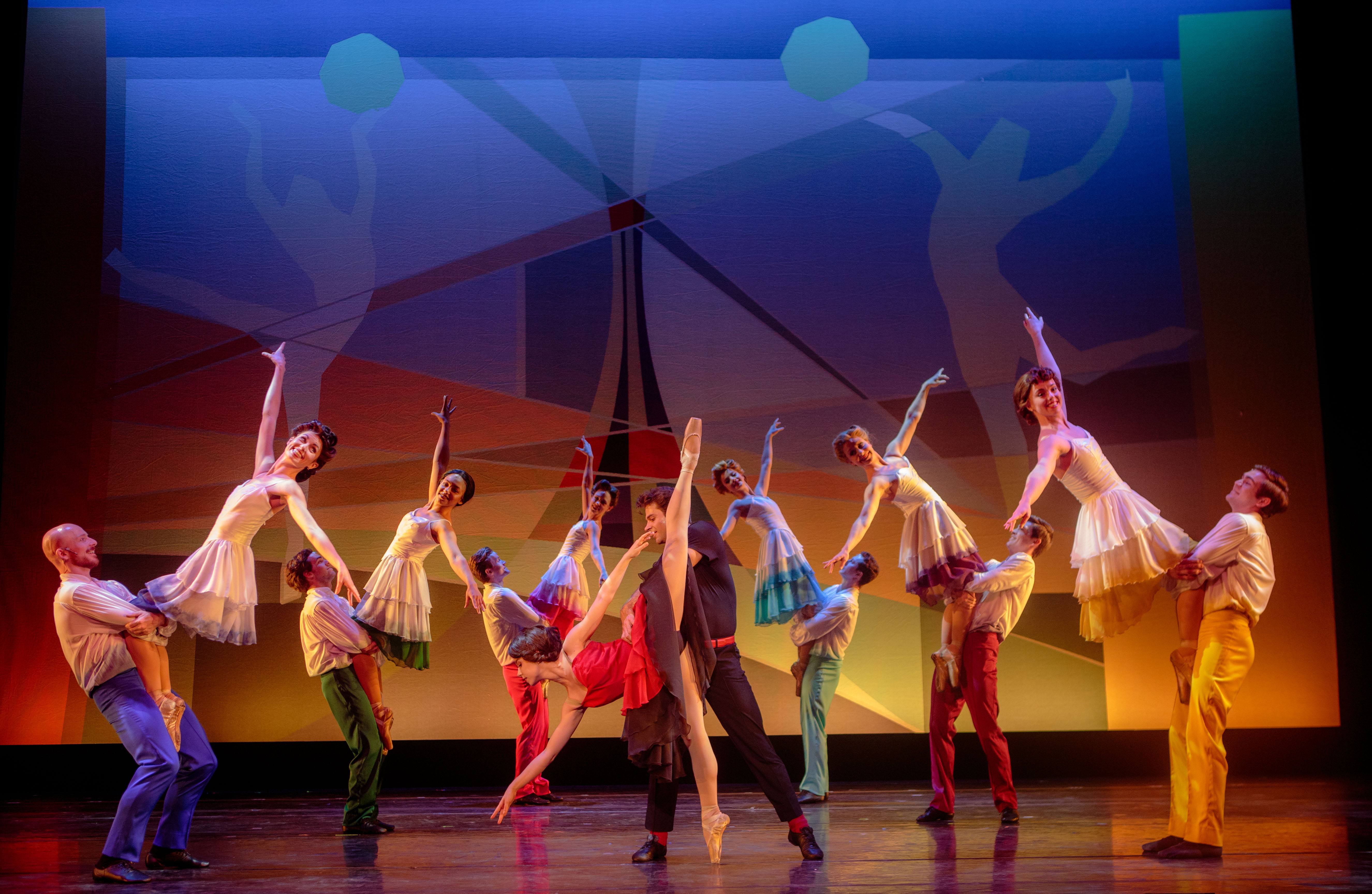
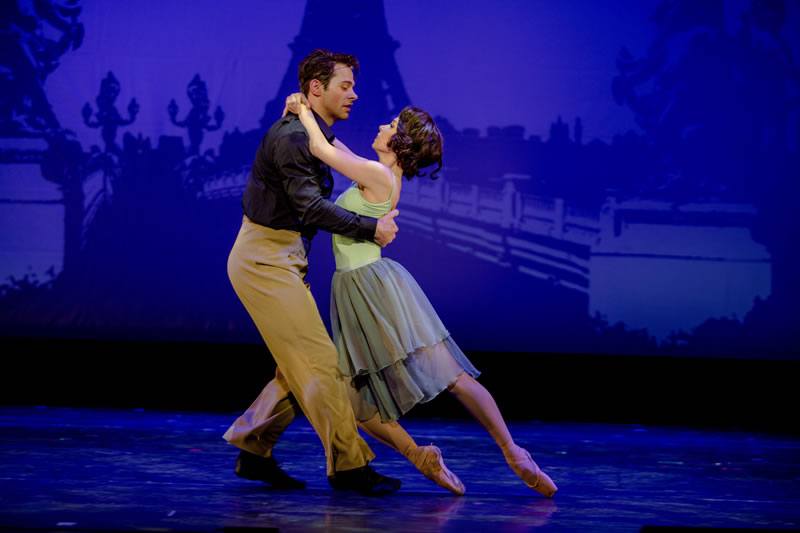
Stunning dance work pervades the Broadway show
It is no surprise, then, that the stage adaptation for Broadway was directed by Christopher Wheeldon – less of a typical theatre director and more a visionary ballet choreographer, at home in the largest ballet companies in America. Wheeldon ups the stakes of the original movie, placing the plot closer to the door of World War II and emphasizing the war-torn nature of 1940’s Paris. The rhapsodic ballet of Gershwin survives well into the 21st century, nominated for 11 Tony Awards and winning four, including Best Choreography. NPR called it “a perfect mélange of Franco-British-American artistic traditions of dance and theater.”
And soon, An American in Paris dances to our very doorstep. Who could ask for anything more?
The musical will play March 17 and 17 and tickets are available for purchase here and at 478-301-5470. To complement your Parisian evening, a multi-course preshow meal package from Lazy Susan Tapas called Midnight in Paris is available as an add-on at checkout.
-Julia Rubens is the Director of Arts Marketing for The Grand Opera House